
Vespasian
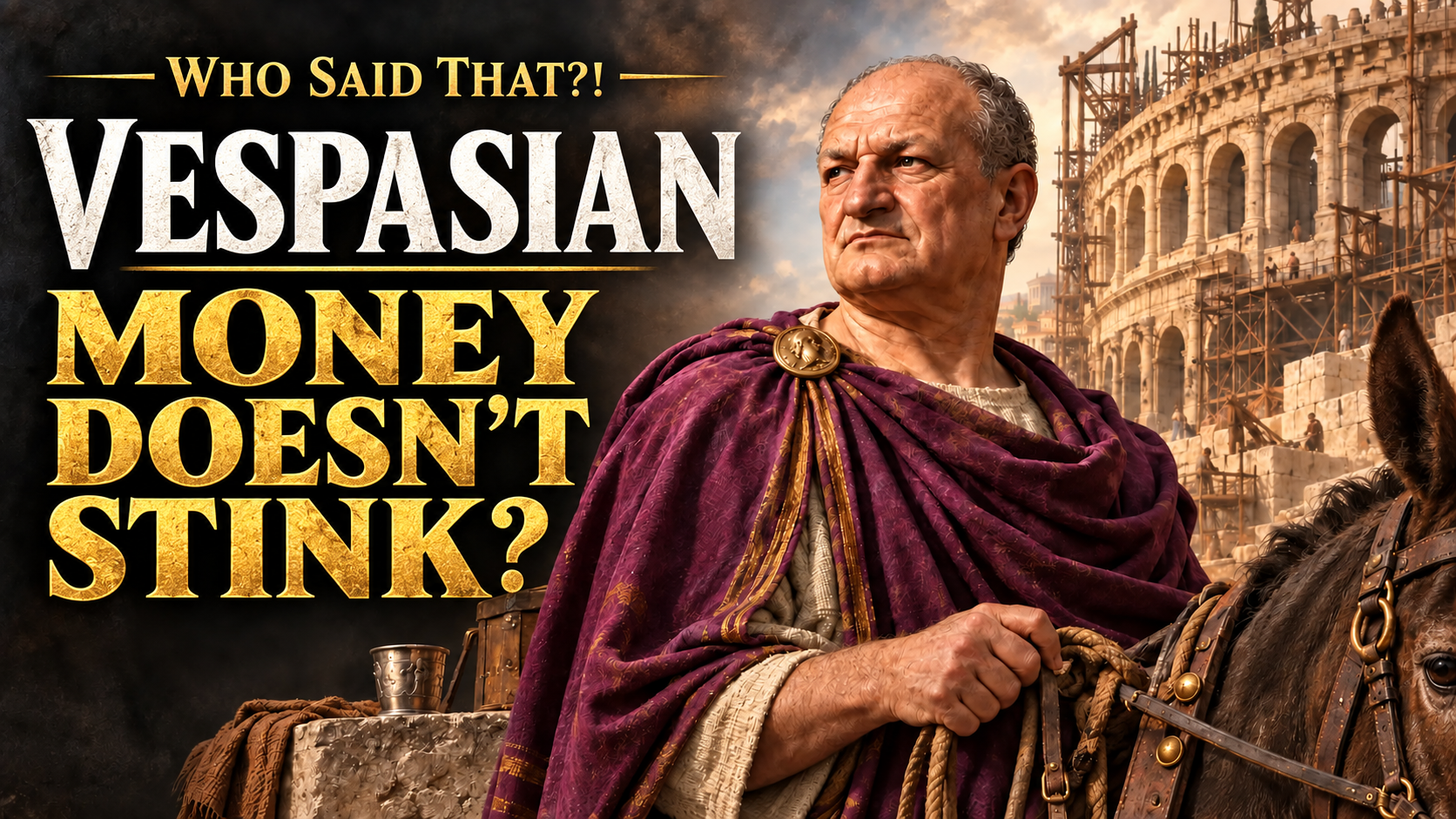
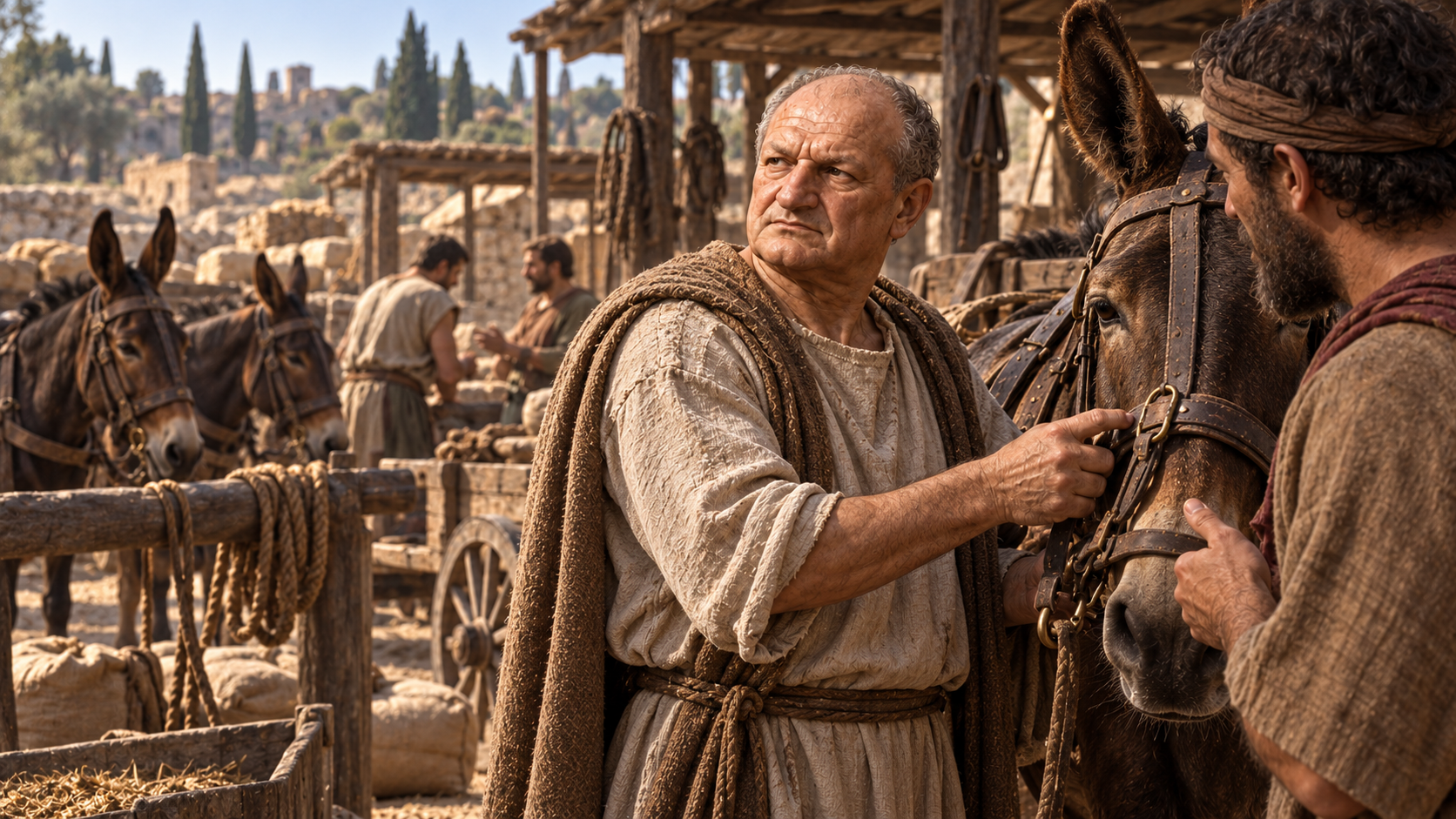
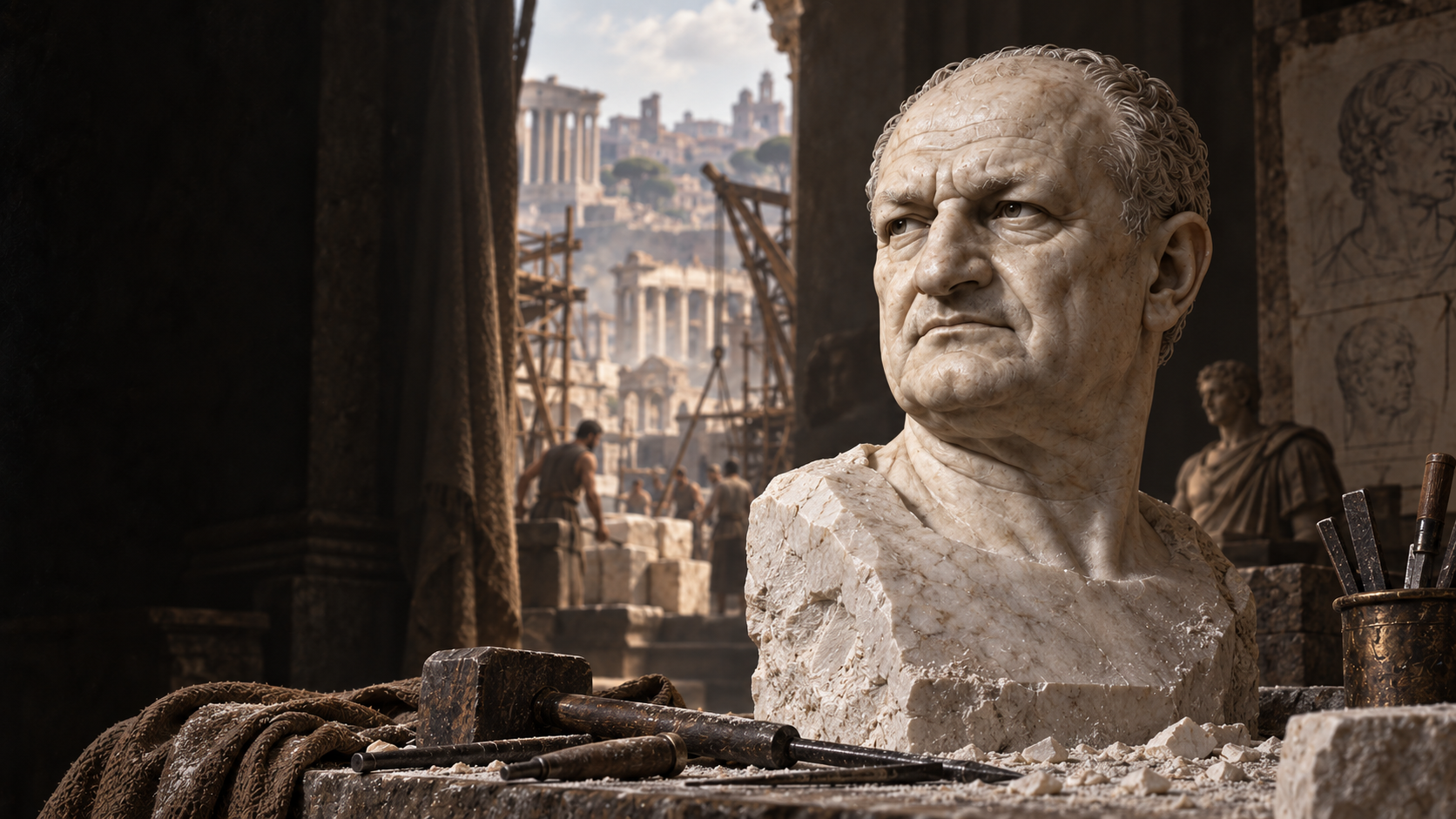
Before the imperial purple, before the Flavian dynasty and before the Colosseum, Vespasian had been mocked as a mule trader.
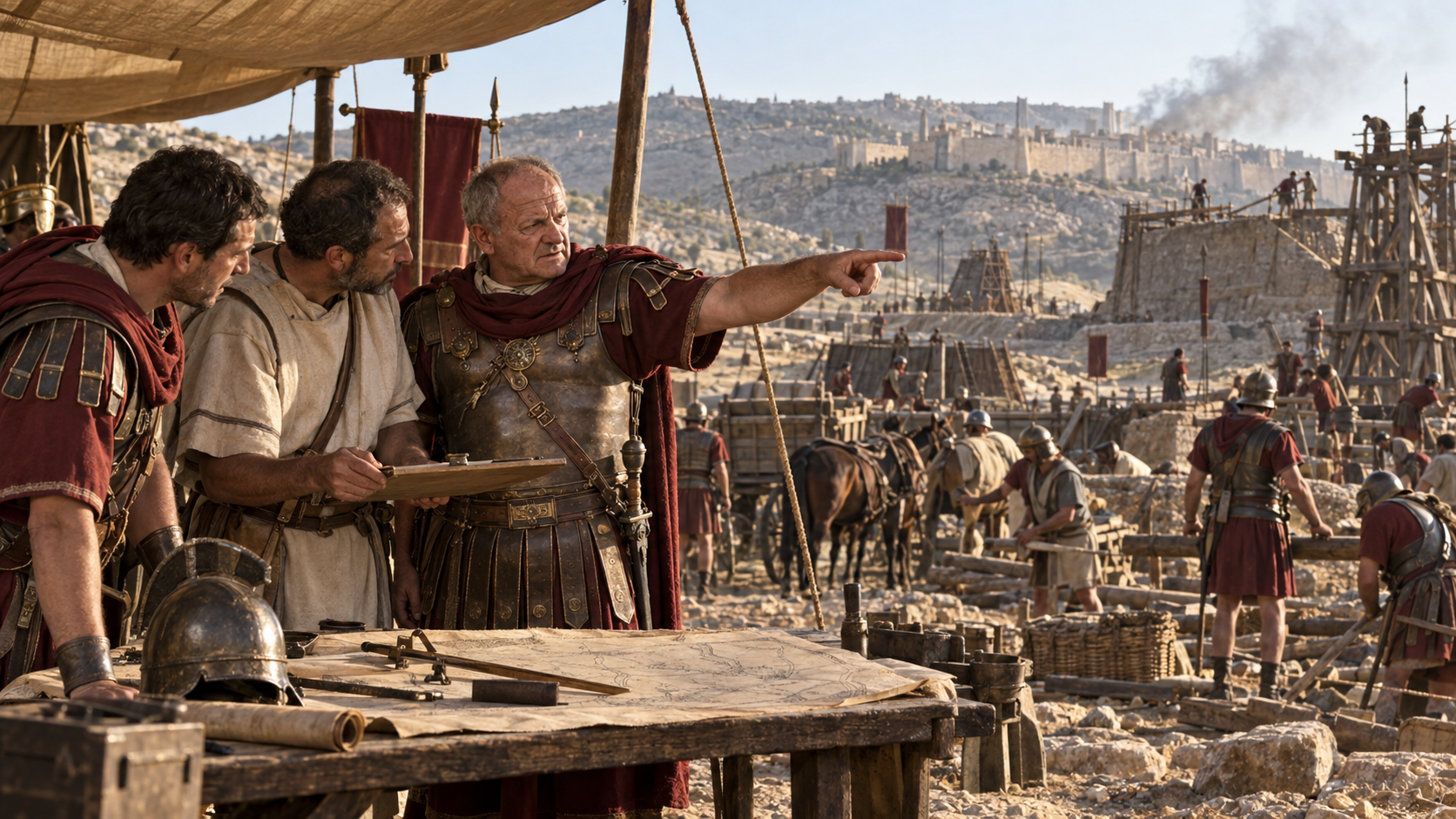
He came from comparatively modest beginnings, served in the army, governed provinces and rose through the brutal civil wars of AD 69. When he became emperor, Rome needed order - and money. Vespasian restored taxes, invented new ones and acquired a reputation for financial ruthlessness.
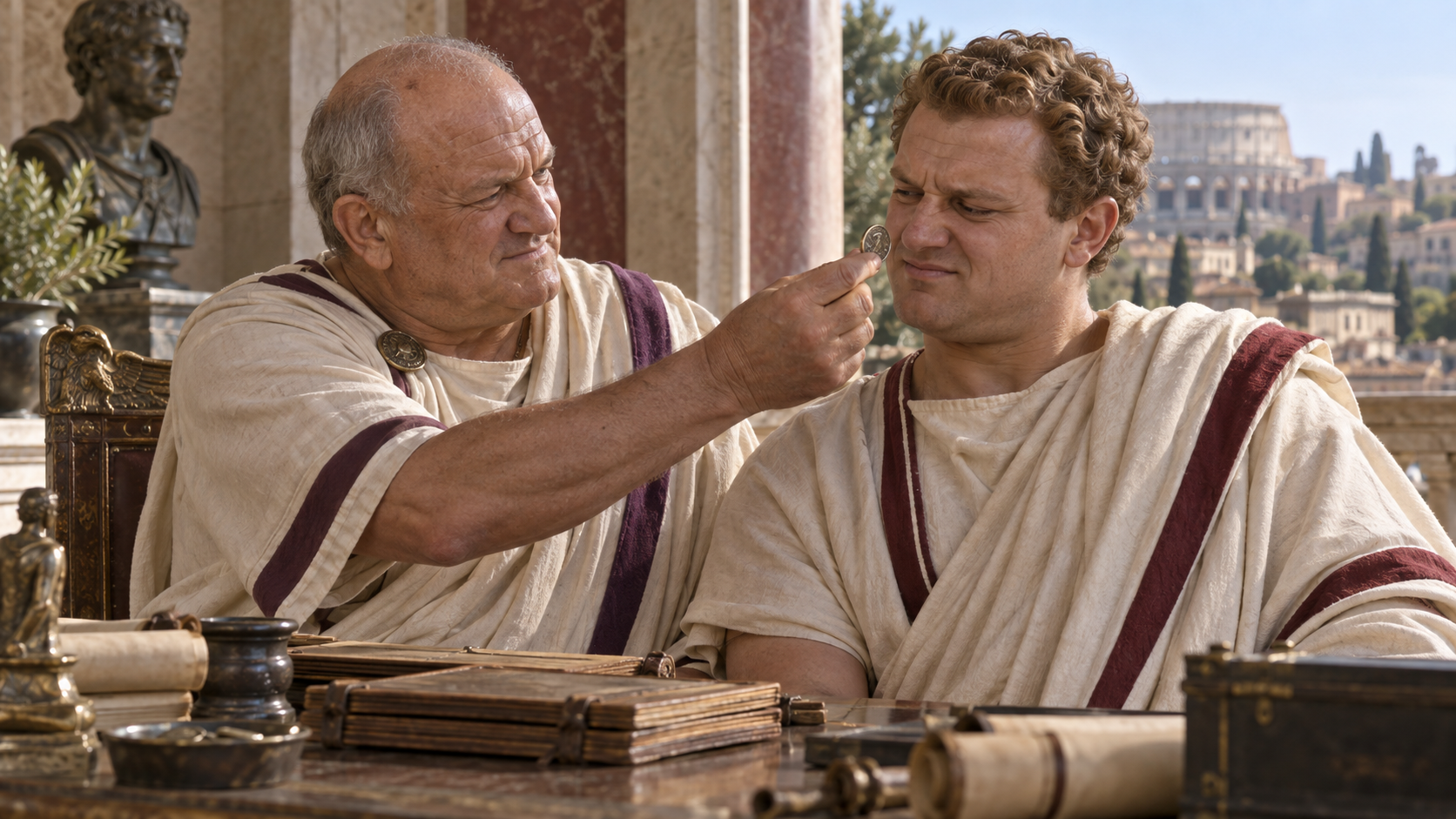
One levy produced the line most closely attached to him. When his son Titus objected to revenue connected with public urinals, Suetonius says Vespasian held up a coin and asked whether it smelled. The later proverb became pecunia non olet: money does not smell.
The deeper question is harder: when money rebuilds a broken state, does its source stop mattering - or is that exactly when it matters most?
Sources
The principal ancient witness is Suetonius' Life of Vespasian, supplemented by Tacitus and Josephus for the civil wars and Judaean campaign. The familiar Latin pecunia non olet is treated as a later condensation of Suetonius' urine-tax episode, not as a verbatim surviving quotation.
Companion Study
Key facts, rise to power, the mule-trader background, quotation audit, taxation debate, building programme and source notes.
Open Companion PDF