
Marie Antoinette
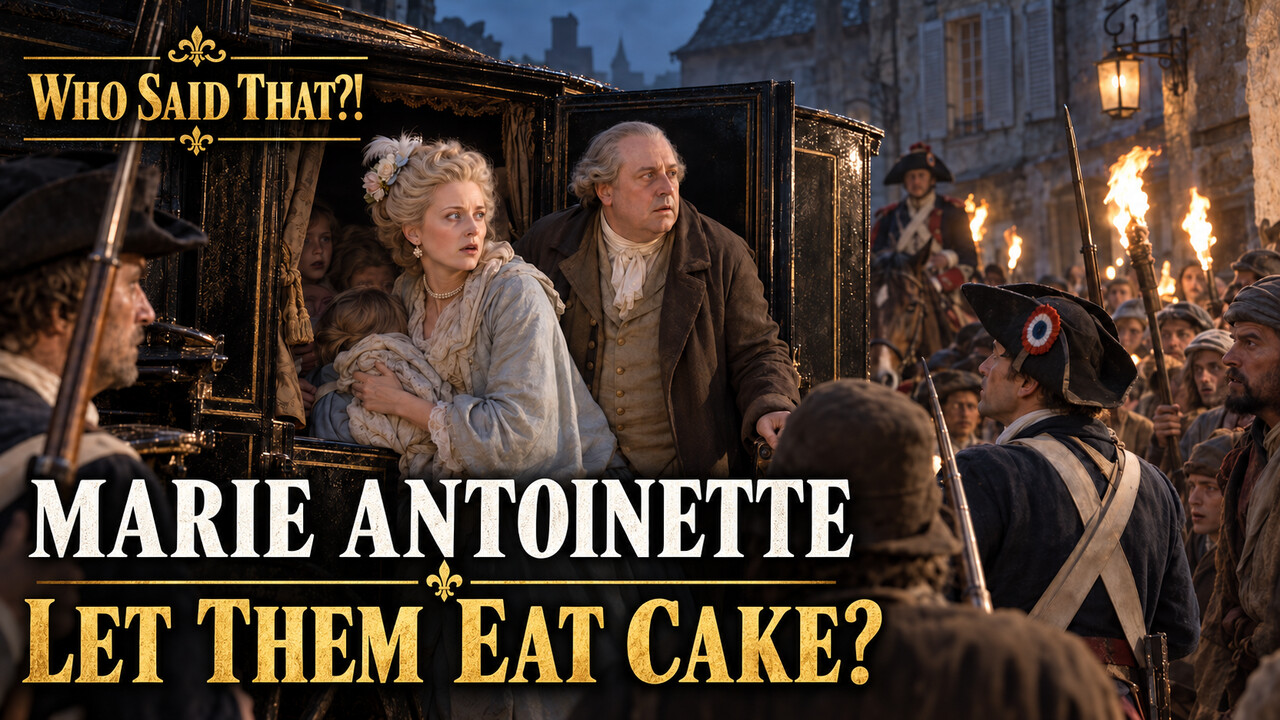
France remembered Marie Antoinette for a sentence she almost certainly never spoke. But why did the story fit her so perfectly?
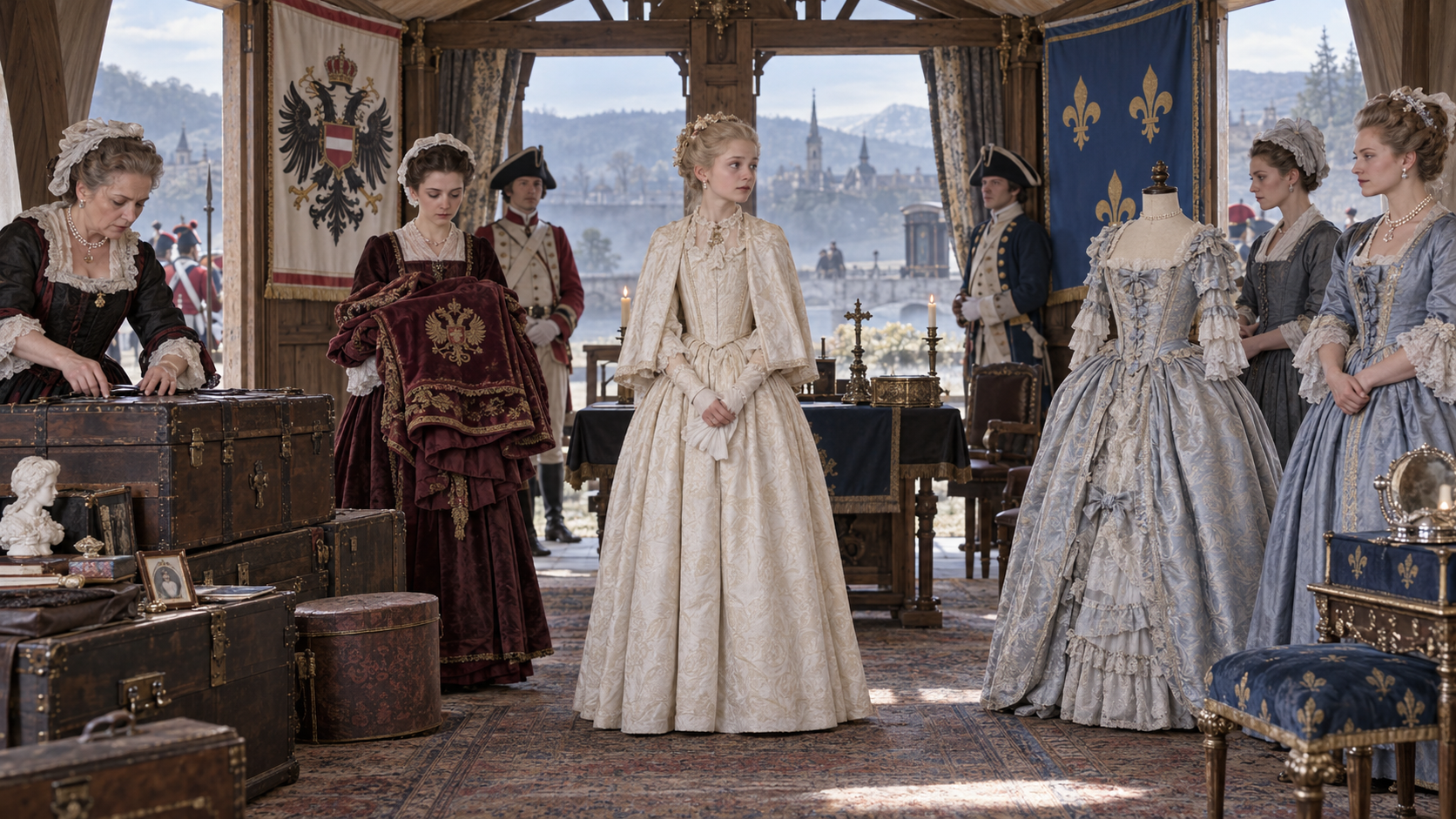
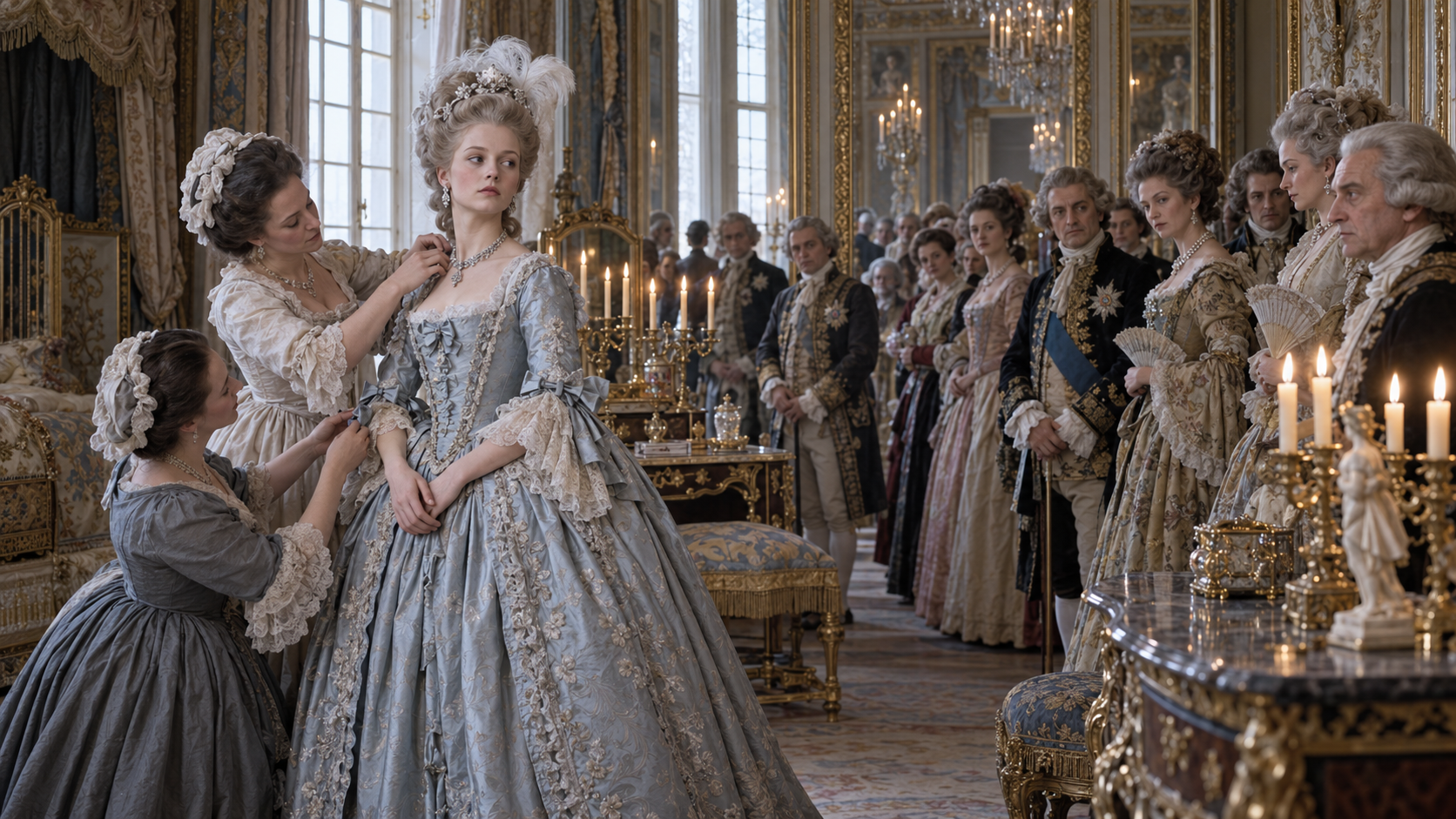
Sent from Austria at fourteen to marry the future Louis XVI, Maria Antonia entered Versailles as both princess and political symbol. Court ritual, fashion, spending and scandal made her unusually visible while France's deeper financial crisis gathered force.
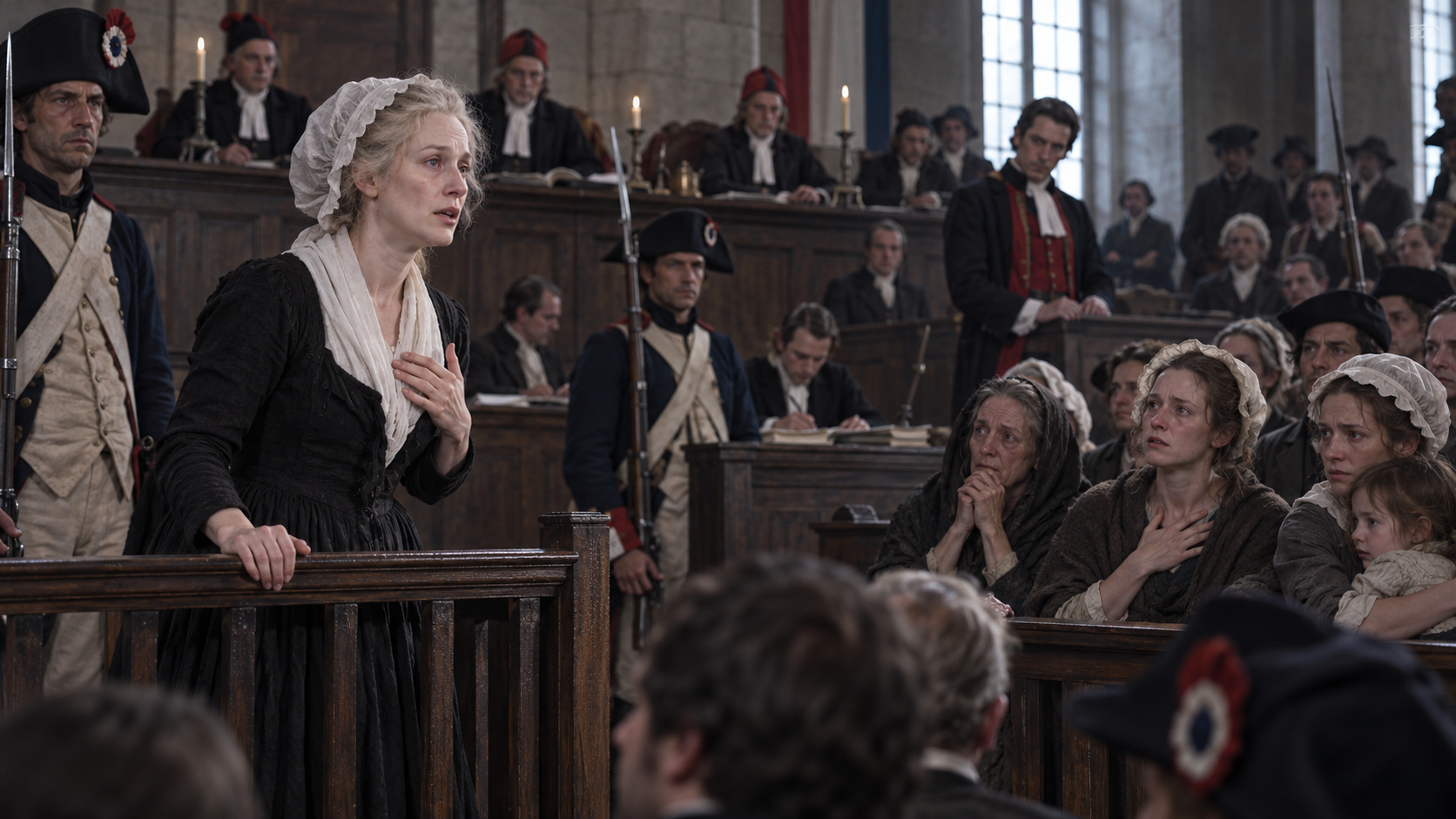
This film follows the young dauphine, the queen under constant observation, the Diamond Necklace affair, revolution, Varennes, imprisonment and trial. It tests the famous cake quotation against Rousseau's earlier “great princess” anecdote, then turns to stronger evidence: her correspondence, courtroom words and final letter.
The harder question is not whether Marie Antoinette was flawless. She was not. It is how a complicated woman became a simple symbol - and whether history still mistakes repetition for proof.
Sources
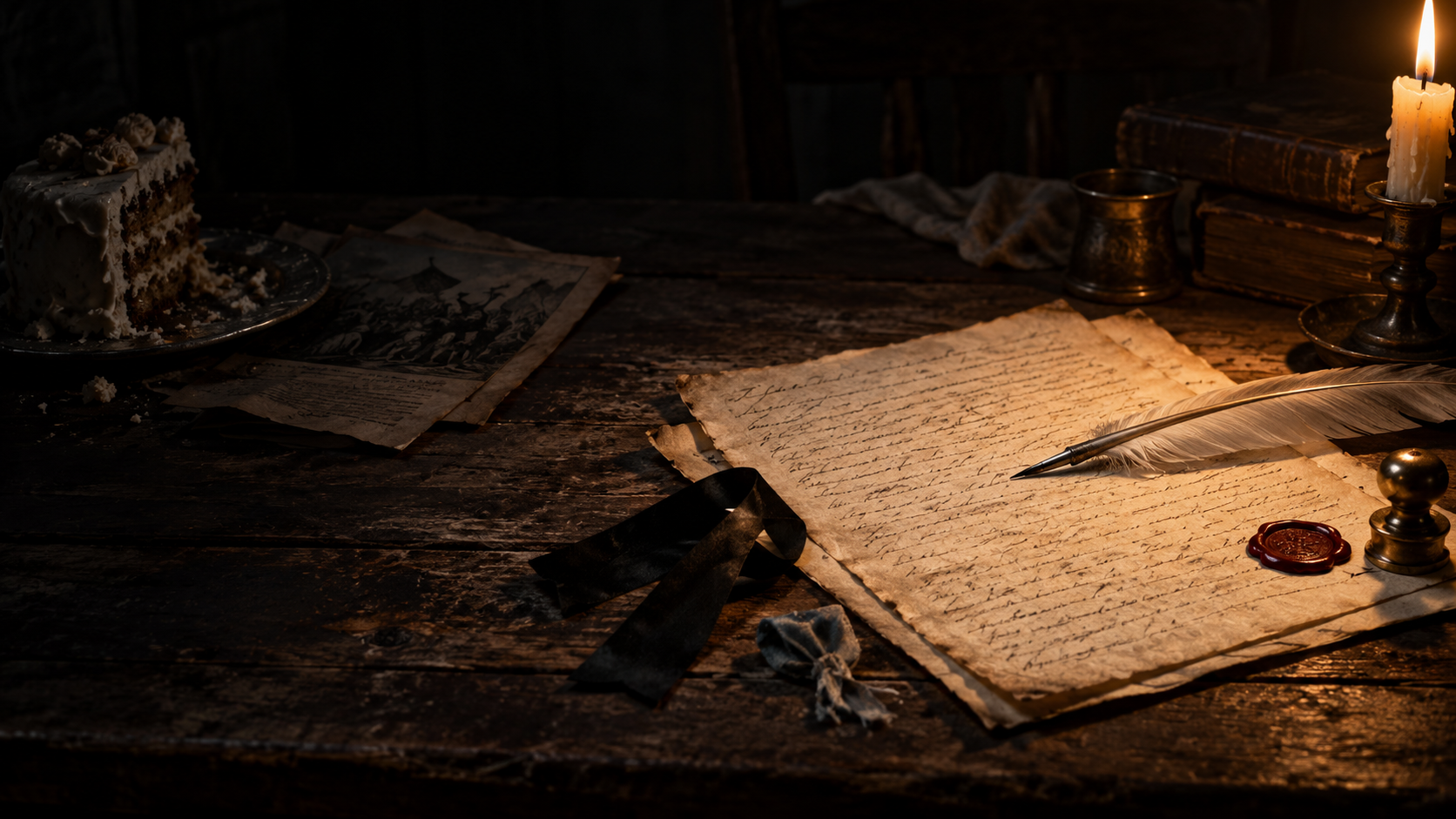
Research anchors include Jean-Jacques Rousseau's Confessions, Marie Antoinette's surviving correspondence, records of the Revolutionary Tribunal, her final letter of 16 October 1793, the Centre de recherche du château de Versailles, the Archives nationales and modern scholarship on the French monarchy and Revolution. The “Let them eat cake” story is treated as an attribution problem, not as established quotation.
Companion Study
Key facts, timeline, evidence questions, the cake quotation test, source notes and a concise path from Maria Antonia to the woman history turned into a symbol.
Open Companion PDF